
Emotional suffering is not a defect to be medicated away
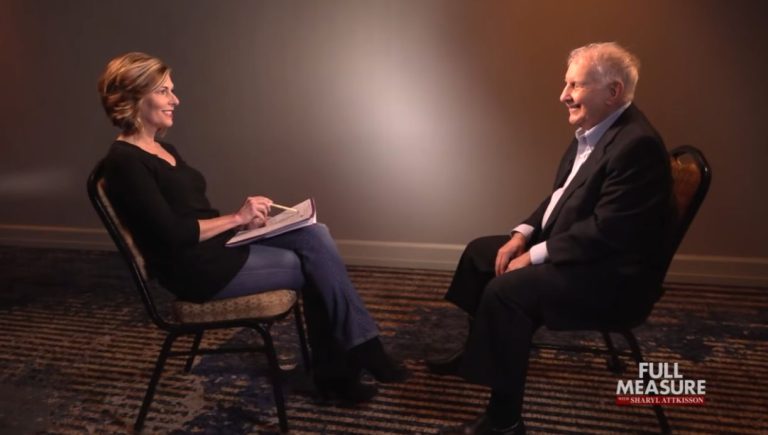
Dr Peter Breggin is called the “conscience of psychiatry”. In this recent interview he revisits arguments he has spent decades advancing: that modern psychiatric practice relies too heavily on medication, misunderstands how those drugs work, and too often overlooks the human dimensions of emotional suffering.
Dr Breggin’s perspective stands firmly outside the mainstream. Yet his critiques—controversial, unsettling, and passionately argued—continue to resonate with audiences who feel underserved or harmed by conventional mental health systems.
Rethinking the “Chemical Imbalance” Narrative
At the center of the interview is Breggin’s rejection of the widely promoted idea that mental disorders are caused by simple chemical imbalances in the brain. This framework did not emerge from solid scientific discovery but from pharmaceutical marketing that offered an appealingly tidy explanation for complex human distress.
Rather than correcting underlying brain defects, psychiatric drugs alter normal brain function. He describes these effects as suppressive or numbing—changes that may reduce visible symptoms while simultaneously dulling emotion, motivation, self-awareness, and personal agency. He refers to these effects as a form of “chemical lobotomy,” meant not as a literal comparison but as a warning about how medications can blunt the mind.
Medication, Insight, and Informed Consent
One of Dr Breggin’s most pointed concerns is what he sees as a paradox of psychiatric drug use: the very medications prescribed to help patients may impair their ability to recognize harm. Sedation, emotional flattening, and cognitive slowing, he says, can make individuals less likely to question side effects or advocate for themselves.
From this perspective, informed consent becomes ethically fraught. If a patient’s emotional responsiveness or judgment is dampened, can they fully assess whether a treatment is helping or hurting? Breggin suggests this question is not asked often enough in clinical practice.
He also criticizes long-term medication use, arguing that withdrawal effects and symptom rebound are frequently misinterpreted as evidence of an underlying illness—leading to lifelong prescriptions rather than reevaluation.
A Caution on Emerging “Miracle” Compounds
The conversation also turns to methylene blue, a compound attracting attention in alternative health and biohacking communities for its proposed cognitive and neurological benefits. Breggin urges caution, warning that substances with strong biochemical activity should not be casually embraced as wellness tools.
From his standpoint, psychiatry’s history is littered with once-celebrated treatments later revealed to be dangerous. His message is not anti-science, he insists, but deeply skeptical of hype—especially when enthusiasm outpaces long-term safety evidence.
Psychiatry, Power, and Profit
Dr Breggin places these medical debates within a broader critique of institutional psychiatry. He argues that financial incentives, insurance structures, and time pressures have narrowed the field’s focus to symptom management rather than understanding a person’s life story.
In this system, medication becomes efficient: faster than therapy, easier to standardize, and more compatible with high patient volume. The cost, he says, is a form of dehumanization—where emotional pain is reduced to diagnostic codes and prescription protocols.
A Humanistic Alternative
Dr Breggin repeatedly emphasizes what he believes does foster healing: human connection, empathy, personal meaning, and moral responsibility.
He describes emotional suffering not as a defect to be medicated away, but as a signal—often rooted in trauma, loss, isolation, or unmet needs. From this view, recovery comes less from altering brain chemistry and more from restoring relationships, self-trust, and purpose.
Drawing on his personal and professional life, Breggin advocates for approaches that prioritize listening, mutual respect, and psychological support over quick pharmacological fixes.
Why His Voice Still Matters
Dr. Peter Breggin’s ideas remain deeply divisive. Many mental health professionals argue that psychiatric medications save lives and alleviate severe suffering. Breggin does not deny that people report benefits—but he insists those benefits must be weighed against risks that are too often minimized or ignored.
Whether one agrees with him or not, the interview serves as a reminder that psychiatry is not merely a technical discipline but a moral one. It raises uncomfortable questions about autonomy, consent, and what it truly means to help someone who is suffering.
In an era of expanding prescriptions and emerging neuro-enhancement trends, Breggin’s challenge is clear: slow down, look beyond the pill bottle, and remember the human being at the center of care.